Every image in this room is treated as evidence, not decoration. Museum labels separate identification, source, what the image actually proves, and what it cannot prove on its own.
The visual archive distinguishes a caption-supported identity from an inferred date, a source page from a detail crop, and a family-owned artifact from an independently proven historical event.
Identification
Who or what the source actually names. A visual resemblance alone is never treated as stronger than a caption.
Source / Provenance
Where the image or object came from and whether the displayed copy is original, derived, or family-held.
What It Proves
The narrow historical point the image can support without borrowing facts from unrelated records.
Evidence Boundary
The line the exhibit will not cross—for example, a team photograph does not prove a specific start or play.
Source-Controlled Gallery
Photographs, Pages and Artifacts
21 records shown. Use the filters to move between Frank’s DuBois, Kentucky, Rams, Cardinals, source-page, and family-collection visual records.
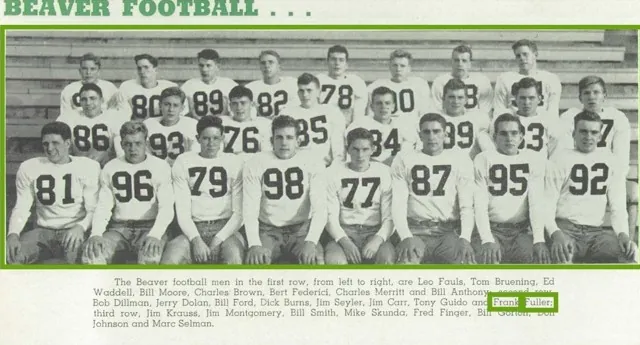
Caption ConfirmedDubois
1947 DuBois Football Team
Date / Era
1947
Object Type
Yearbook team photograph
Identification
Frank is named in the surviving team caption.
Source / Provenance
DuBois High School yearbook football material
What This Image Proves
Visual and caption evidence place Frank on the 1947 DuBois football team.
Evidence Boundary
The photograph confirms team membership; it does not establish game-by-game statistics or a specific play.
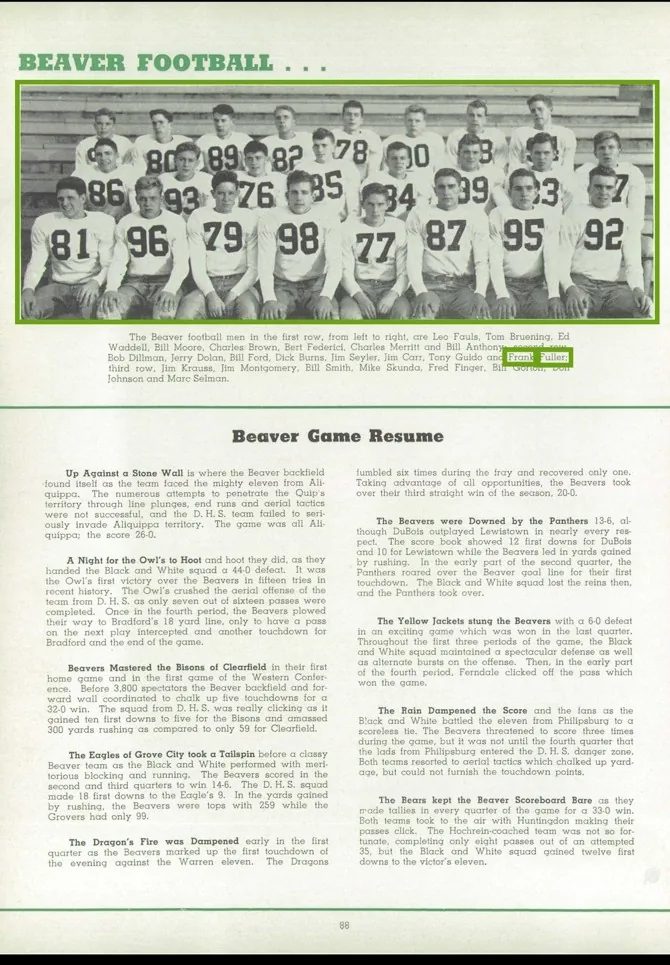
Source PageDubois
DuBois Football — Source Page
Date / Era
Senior-era school record
Object Type
Yearbook evidence page
Identification
Frank is identified through the yearbook text and football material.
Source / Provenance
DuBois High School yearbook
What This Image Proves
Preserves the source context behind Frank’s right-tackle and all-district school record.
Evidence Boundary
Yearbook praise is contemporary description, not a modern statistical record.
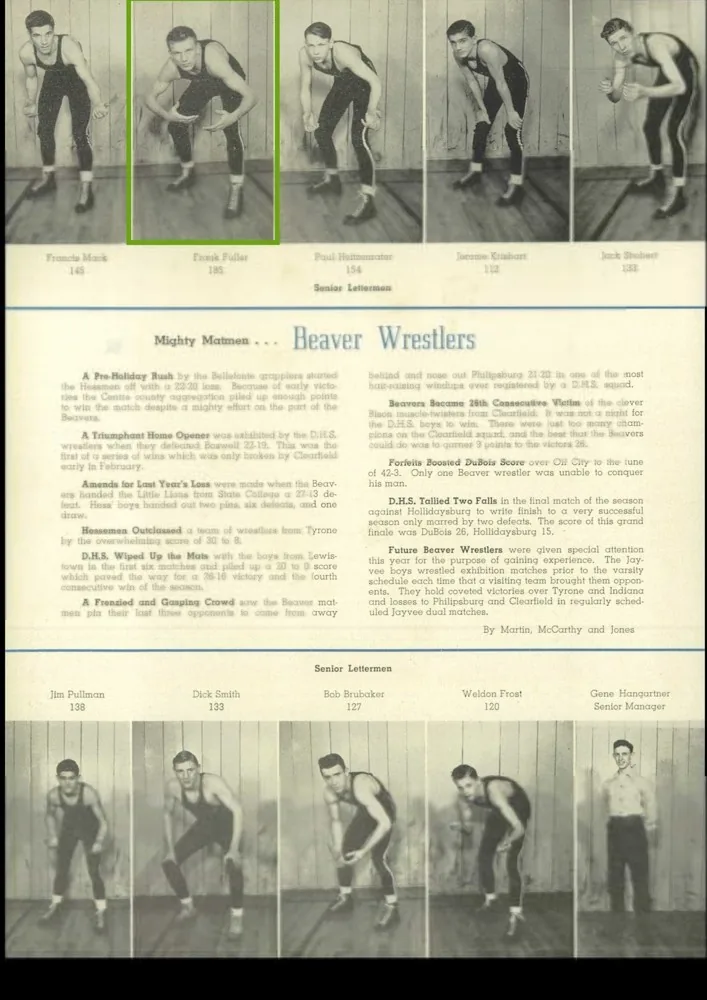
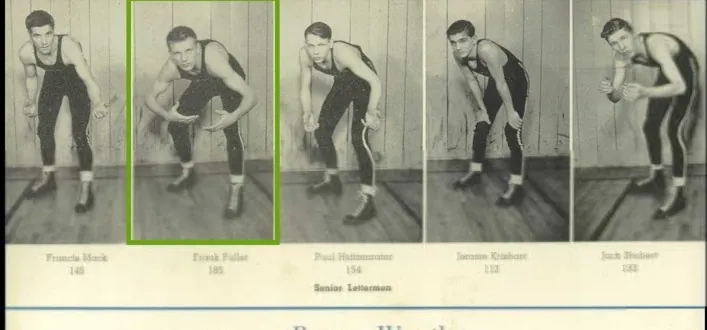
Caption / Roster EvidenceDubois
DuBois Wrestling Page
Date / Era
High-school wrestling years
Object Type
Yearbook wrestling page
Identification
Frank is named in the wrestling material at 185 pounds.
Source / Provenance
DuBois High School yearbook wrestling material
What This Image Proves
Confirms wrestling as a major part of Frank’s high-school athletic record.
Evidence Boundary
The surviving historical wrestling record may be incomplete; this page should not be used to create a complete career total by itself.
Detail CropDubois
Frank Fuller — Wrestling Detail
Date / Era
High-school wrestling years
Object Type
Derived detail crop
Identification
Crop isolates the Frank Fuller entry from the larger source page.
Source / Provenance
Derived from the DuBois wrestling yearbook source page
What This Image Proves
Improves readability of the identification already present in the full source page.
Evidence Boundary
This crop is not an independent source and adds no facts beyond the full yearbook page.
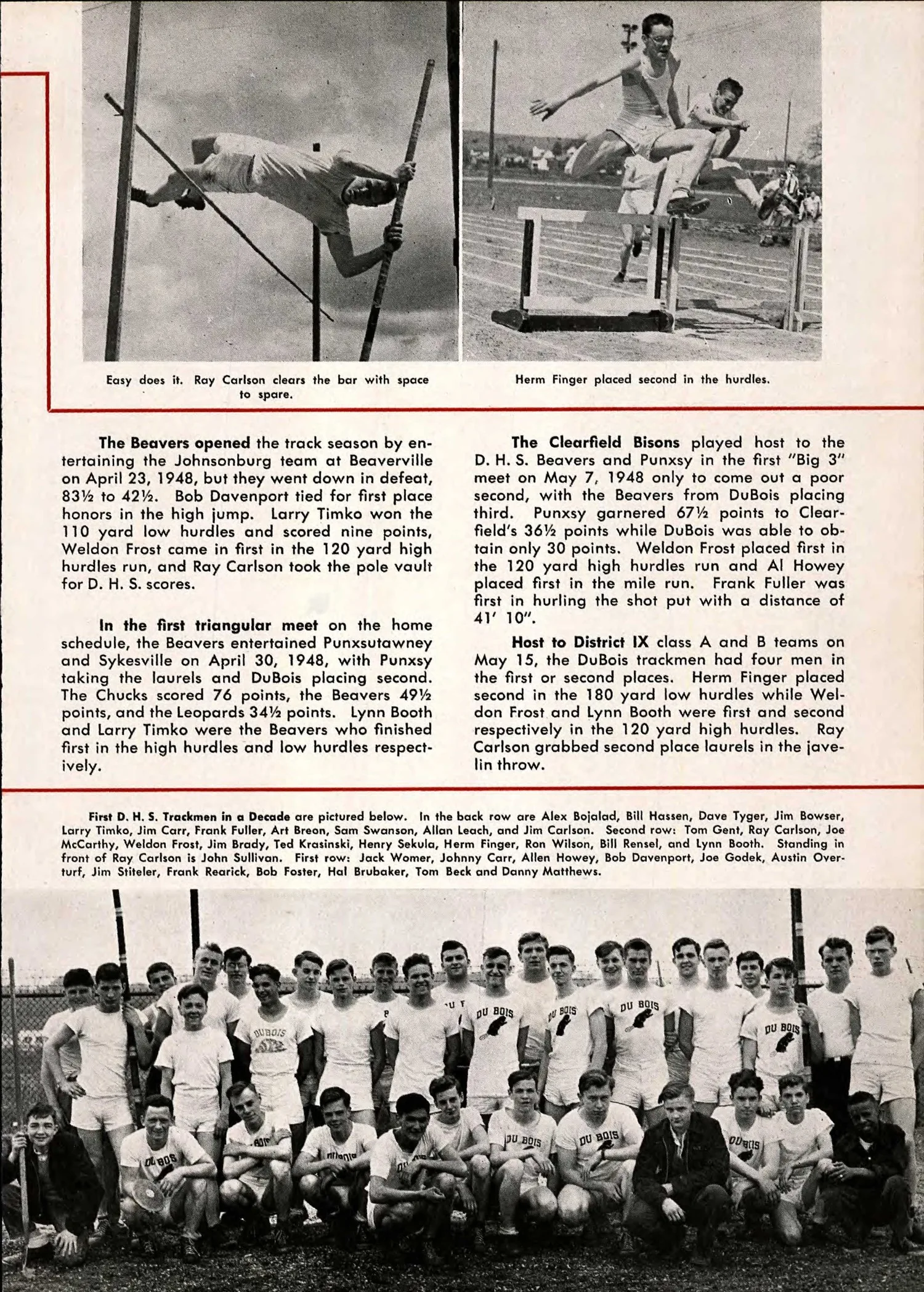
Source-GroundedDubois
DuBois Track and Field Evidence
Date / Era
High-school years
Object Type
Yearbook athletics page
Identification
The archive records Frank’s track participation and a surviving shot-put mark of 41 feet 10 inches.
Source / Provenance
DuBois school athletics material
What This Image Proves
Adds track and field to Frank’s documented multi-sport high-school record.
Evidence Boundary
The archive does not yet provide a complete meet list, season record, or placement history.
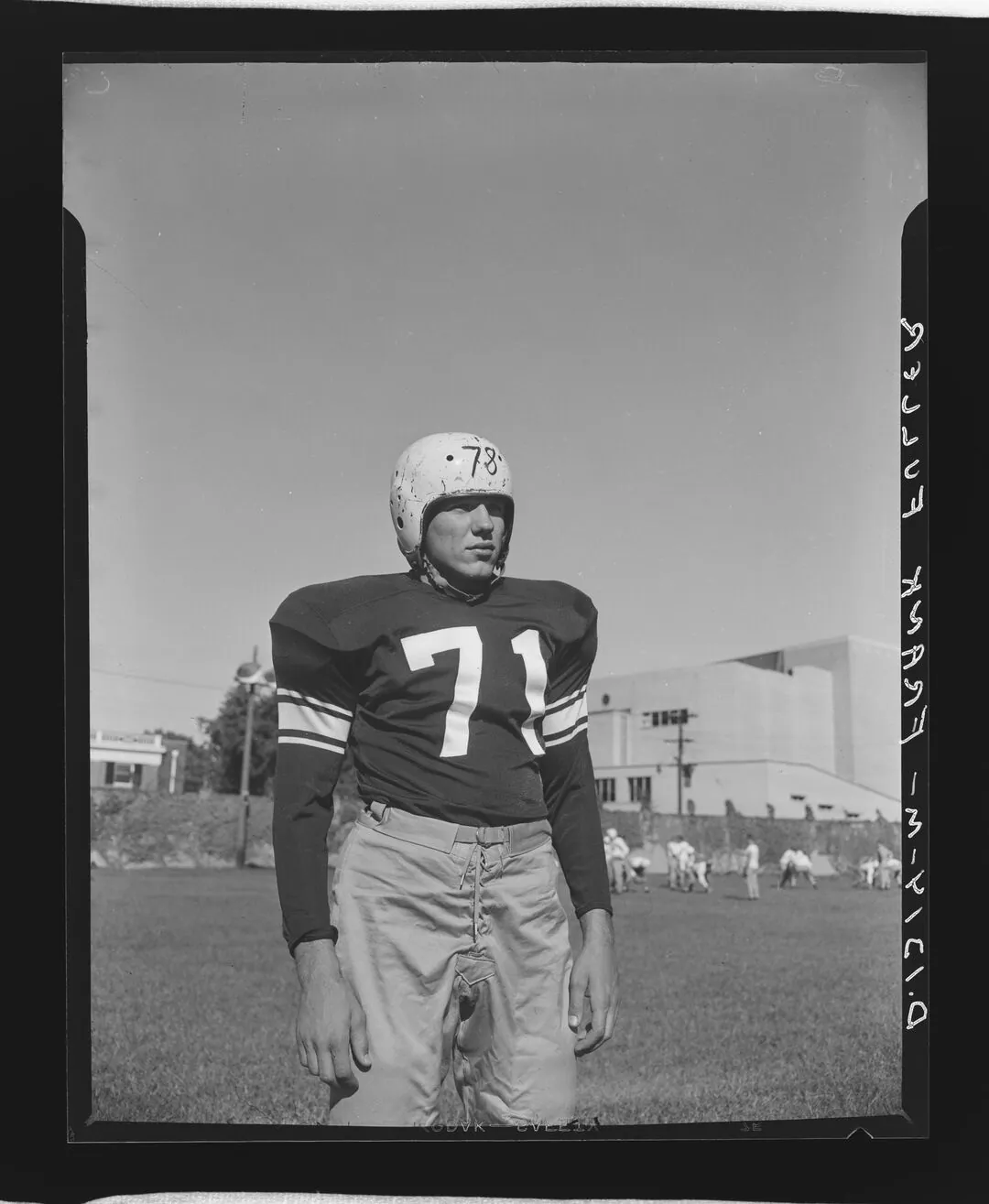
Identified PortraitKentucky
Early Kentucky Portrait
Date / Era
1949 period
Object Type
Individual football portrait
Identification
Supplied archive caption identifies the subject as Frank Fuller.
Source / Provenance
University of Kentucky archive image / supplied caption record
What This Image Proves
Provides an early visual anchor for Frank’s Kentucky years.
Evidence Boundary
The image does not by itself establish a starting role, exact game assignment, or later jersey history.
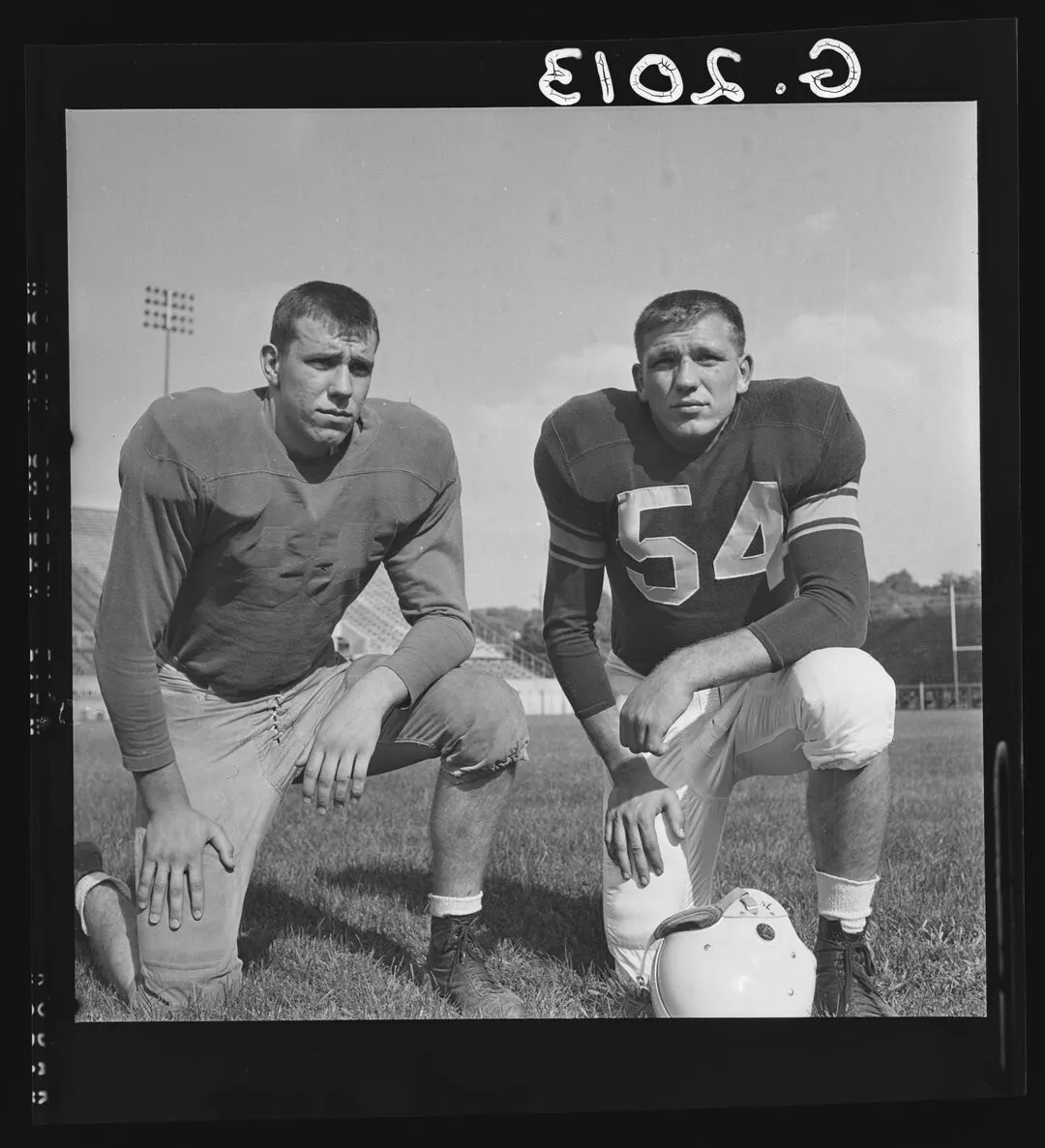
Identified FrankKentucky
Kentucky Two-Player Portrait
Date / Era
Kentucky years
Object Type
Two-player posed photograph
Identification
Frank is identified at right in the supplied archive record.
Source / Provenance
University of Kentucky archive image
What This Image Proves
Preserves Frank in a posed Kentucky football context.
Evidence Boundary
This gallery entry does not independently re-identify the second player; relationship claims belong to the underlying source record.
Caption ConfirmedKentucky
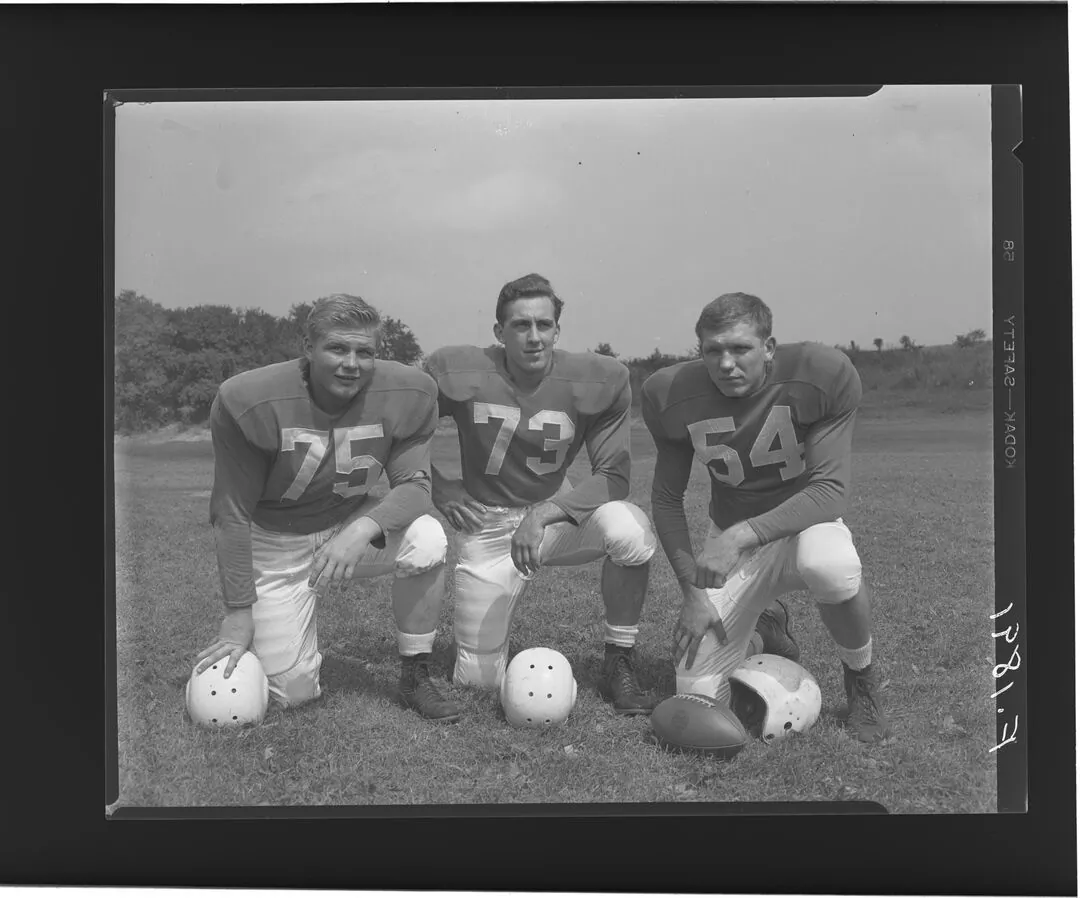
MacKenzie, Netoskie and Fuller
Date / Era
Kentucky years
Object Type
Three-player group portrait
Identification
University of Kentucky identification places Frank at right wearing No. 54.
Source / Provenance
University of Kentucky archive image
What This Image Proves
Provides a caption-supported visual identification of Frank in No. 54.
Evidence Boundary
The source identifies the people; it does not by itself assign an exact game, position, or date to the pose.
Team Context EvidenceKentucky
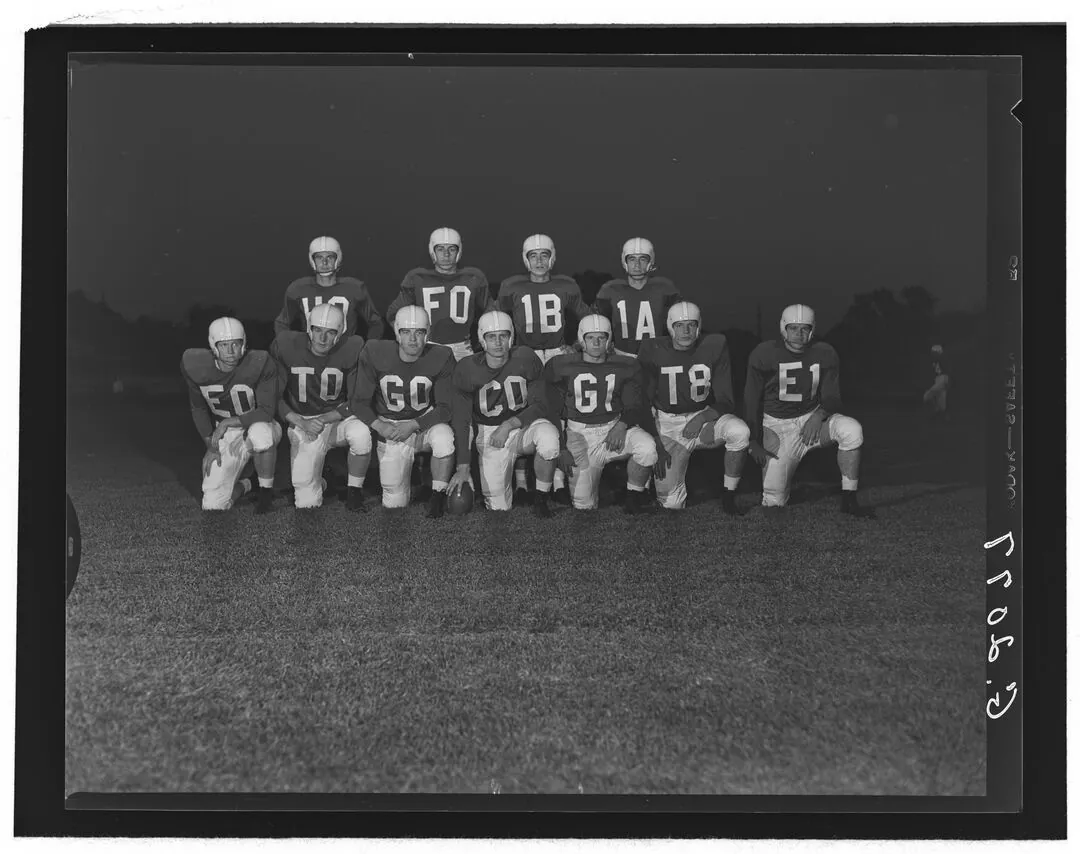
1952 Opening Lineup
Date / Era
1952
Object Type
Team lineup photograph
Identification
Supplied lineup caption identifies Frank within the group.
Source / Provenance
University of Kentucky archive image / lineup caption
What This Image Proves
Places Frank within a documented 1952 Kentucky team context.
Evidence Boundary
A lineup photograph is evidence of identification and team context; it does not prove every starting assignment or snap.
Captioned GroupKentucky
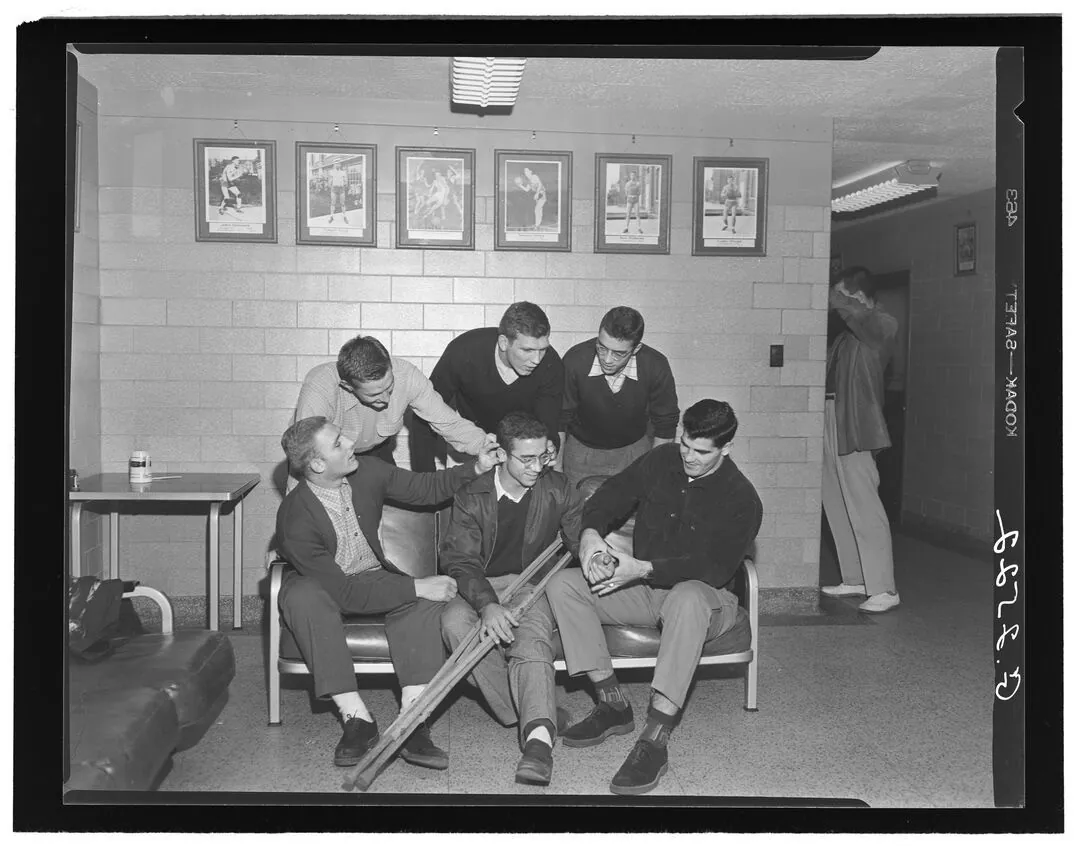
1952 Kentucky Group
Date / Era
1952
Object Type
Captioned group photograph
Identification
Supplied archive caption names Frank among the players in the group.
Source / Provenance
University of Kentucky archive image
What This Image Proves
Adds a second senior-era team-context photograph to Frank’s Kentucky visual record.
Evidence Boundary
The photograph should not be used to infer an event or date more precise than the source caption supports.
Source-Limited IdentificationKentucky
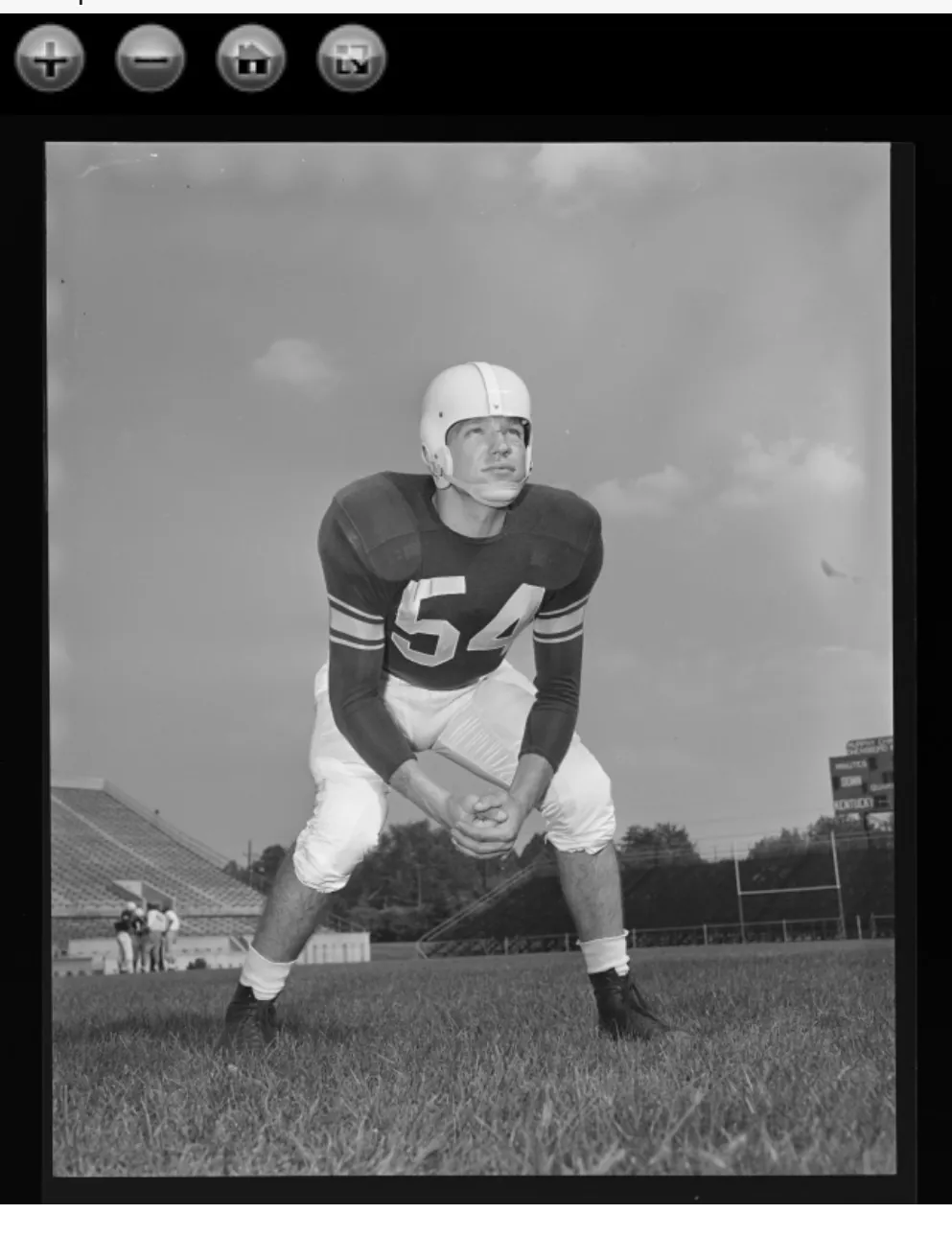
Mack Hughes Negative — Ready Pose
Date / Era
Undated Kentucky portrait session
Object Type
Photographic negative / derived positive
Identification
Original supplied identification beneath the negatives was only “Fuller”; the visual record shows No. 54.
Source / Provenance
Mack Hughes negatives — University of Kentucky photographic record
What This Image Proves
Preserves an individual No. 54 portrait from the same Kentucky negative group.
Evidence Boundary
The source does not identify the exact date, pose title, or position. Do not assign every No. 54 image to one exact year from appearance alone.
Source-Limited IdentificationKentucky
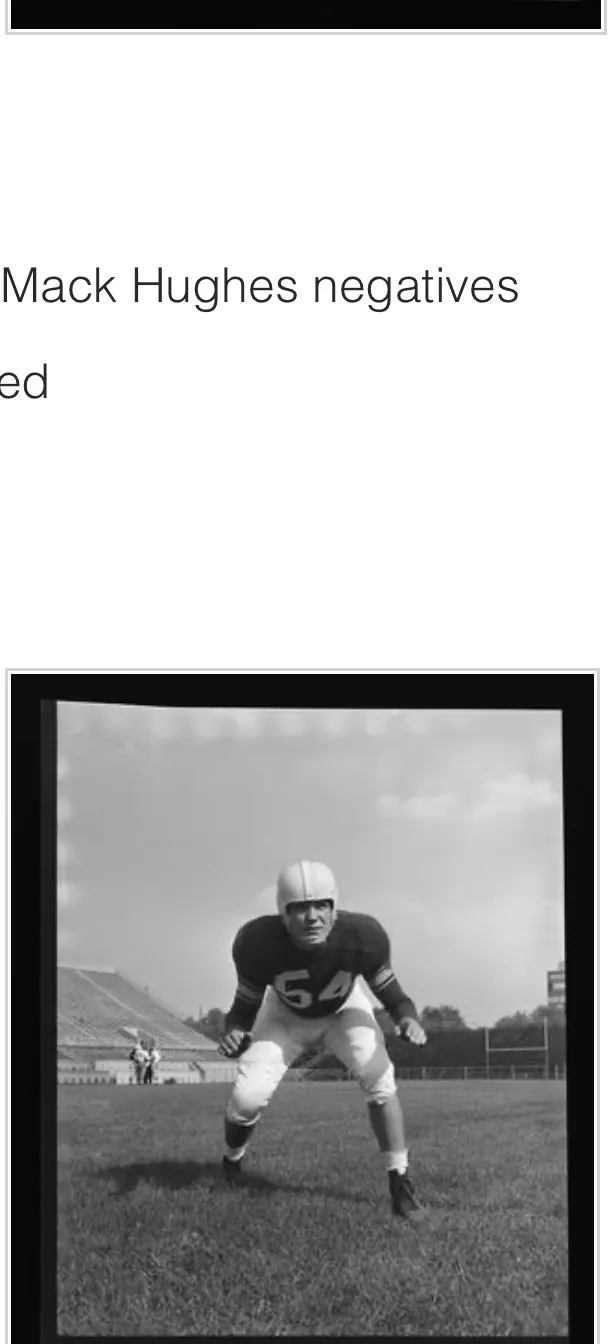
Mack Hughes Negative — Stance Pose
Date / Era
Undated Kentucky portrait session
Object Type
Photographic negative / derived positive
Identification
Original supplied identification beneath the negatives was only “Fuller”; the visual record shows No. 54.
Source / Provenance
Mack Hughes negatives — University of Kentucky photographic record
What This Image Proves
Provides a second individual image from the Kentucky No. 54 portrait session.
Evidence Boundary
The negative is undated and should remain a separate record rather than being silently assigned an exact year.
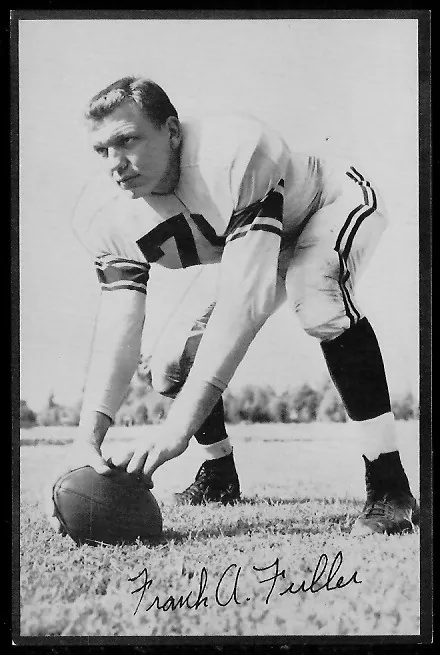
Team-Issue IdentificationRams
1953 Rams Line-Stance Portrait
Date / Era
1953 label in supplied record
Object Type
Rams team-issue portrait
Identification
Supplied Rams image record identifies Frank Fuller.
Source / Provenance
Los Angeles Rams team-issue image / supplied screenshot label
What This Image Proves
Provides an early professional portrait from Frank’s Rams period.
Evidence Boundary
The image label supports the displayed year; the photograph itself does not establish games played or starting status.
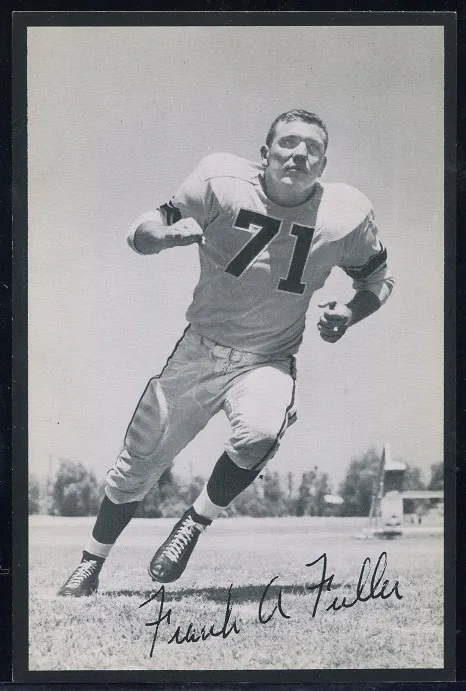
Team-Issue IdentificationRams
1957 Rams Running Pose
Date / Era
1957 label in supplied record
Object Type
Rams team-issue image
Identification
Supplied Rams image record identifies Frank Fuller.
Source / Provenance
Los Angeles Rams team-issue image / supplied screenshot label
What This Image Proves
Adds a later Rams visual after Frank’s 1956 injury interruption.
Evidence Boundary
The pose is a team-issue image, not evidence of a specific game play.
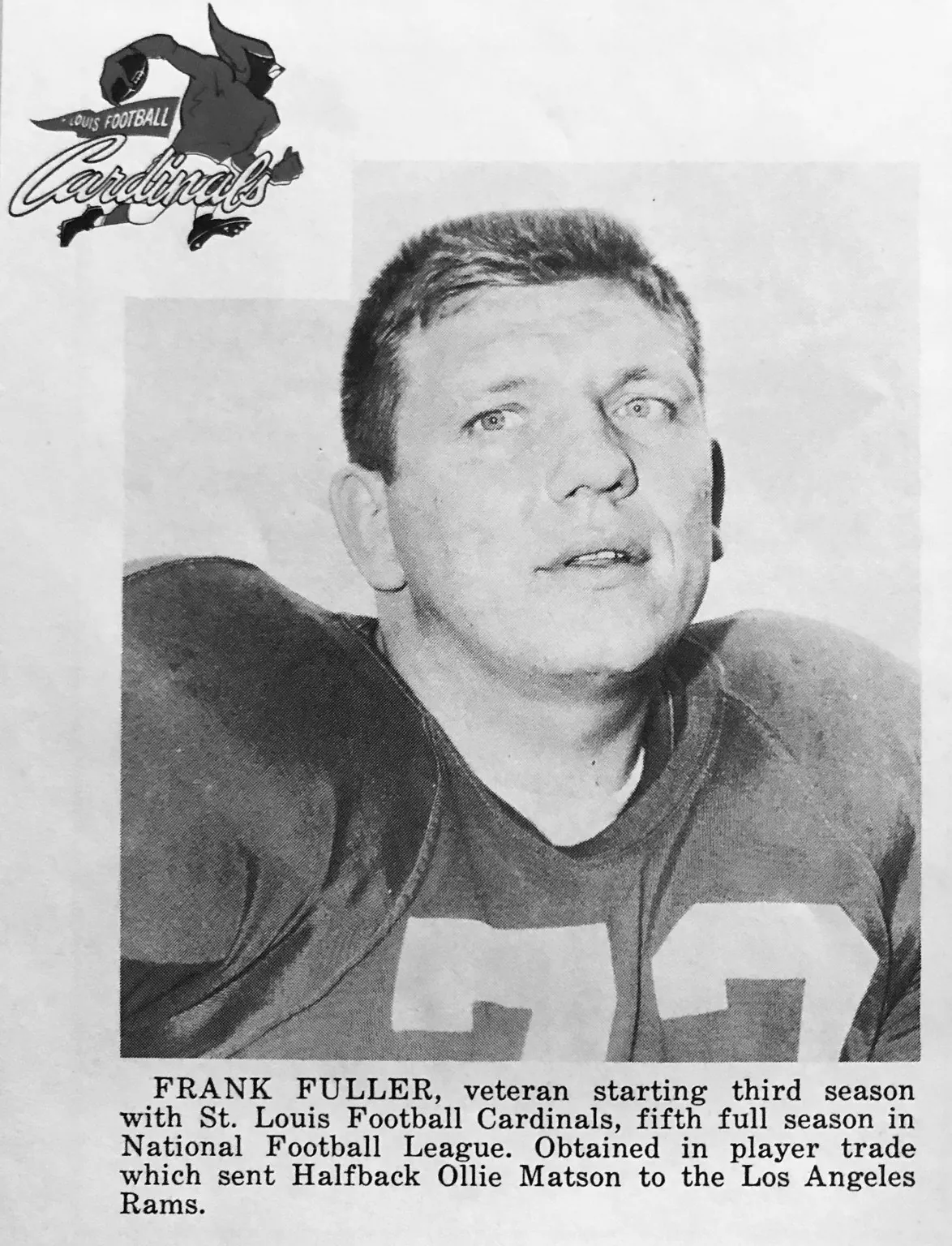
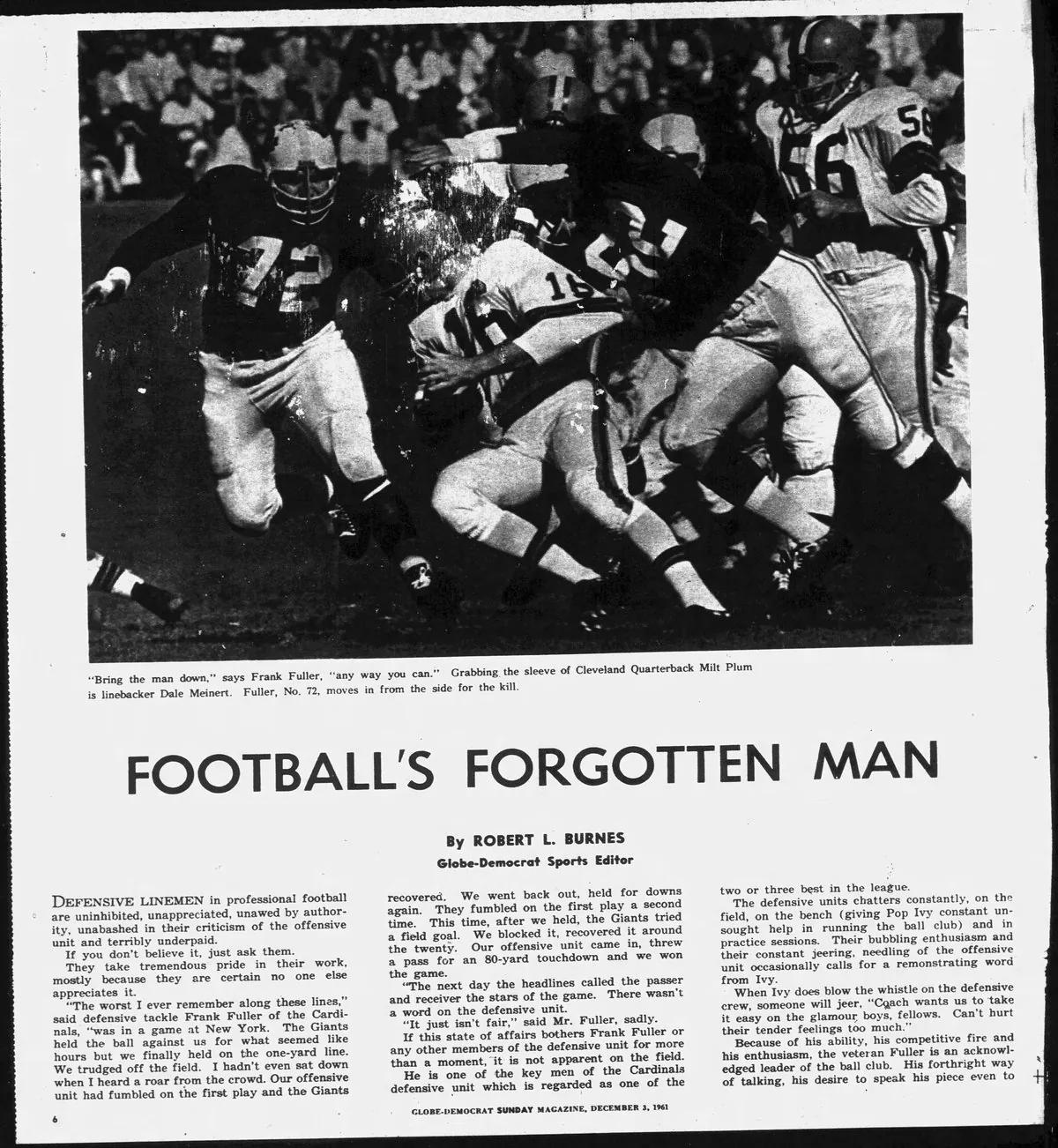
Captioned Cardinals ImageCardinals
1961 Cardinals Uniform Portrait
Date / Era
1961
Object Type
Captioned team / biography portrait
Identification
Supplied caption identifies Frank Fuller in Cardinals uniform.
Source / Provenance
Cardinals biography image in the supplied exhibit archive
What This Image Proves
Provides a clear team-identity portrait for Frank’s St. Louis Cardinals period.
Evidence Boundary
The portrait itself does not establish a specific game or individual statistic.
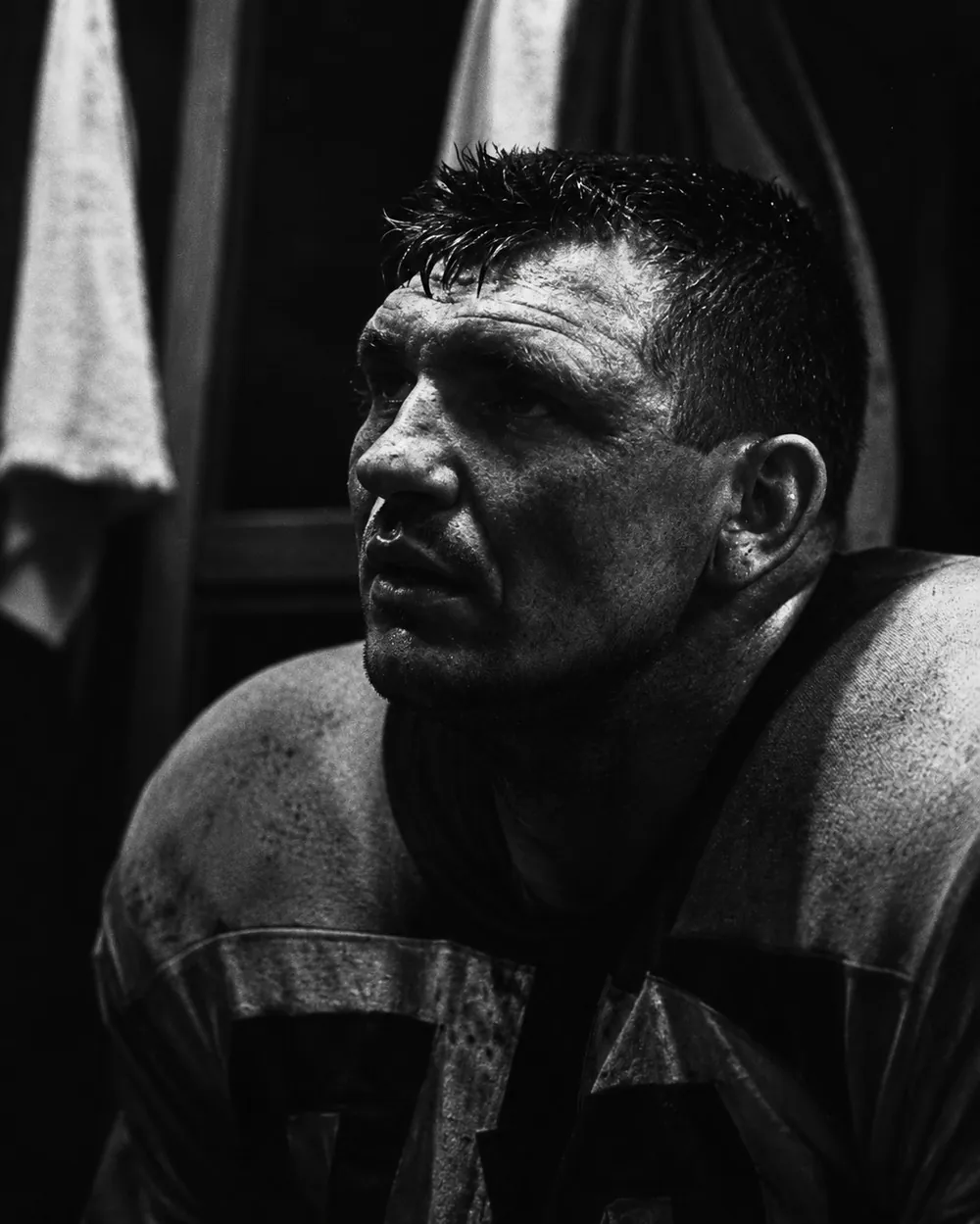
Feature PortraitCardinals
Locker-Room Portrait
Date / Era
Cardinals-era feature record
Object Type
Magazine feature photograph
Identification
The image is preserved with the feature-story source material identifying Frank.
Source / Provenance
Feature-story visual record preserved in the exhibit archive
What This Image Proves
Provides one of the strongest personal, non-action portraits in the professional visual record.
Evidence Boundary
The image should be interpreted with its source page; the portrait alone does not prove the article’s broader narrative claims.
Primary Source PageSource
Feature Story — Full Source Page
Date / Era
Cardinals-era feature
Object Type
Magazine source page
Identification
Frank’s name and portrait are presented together on the preserved page.
Source / Provenance
Original feature-page image preserved in the exhibit archive
What This Image Proves
Shows the publication context behind the locker-room portrait and feature-story evidence.
Evidence Boundary
Public exhibit use is limited to source display and short excerpts; the full article text is not reproduced as site copy.
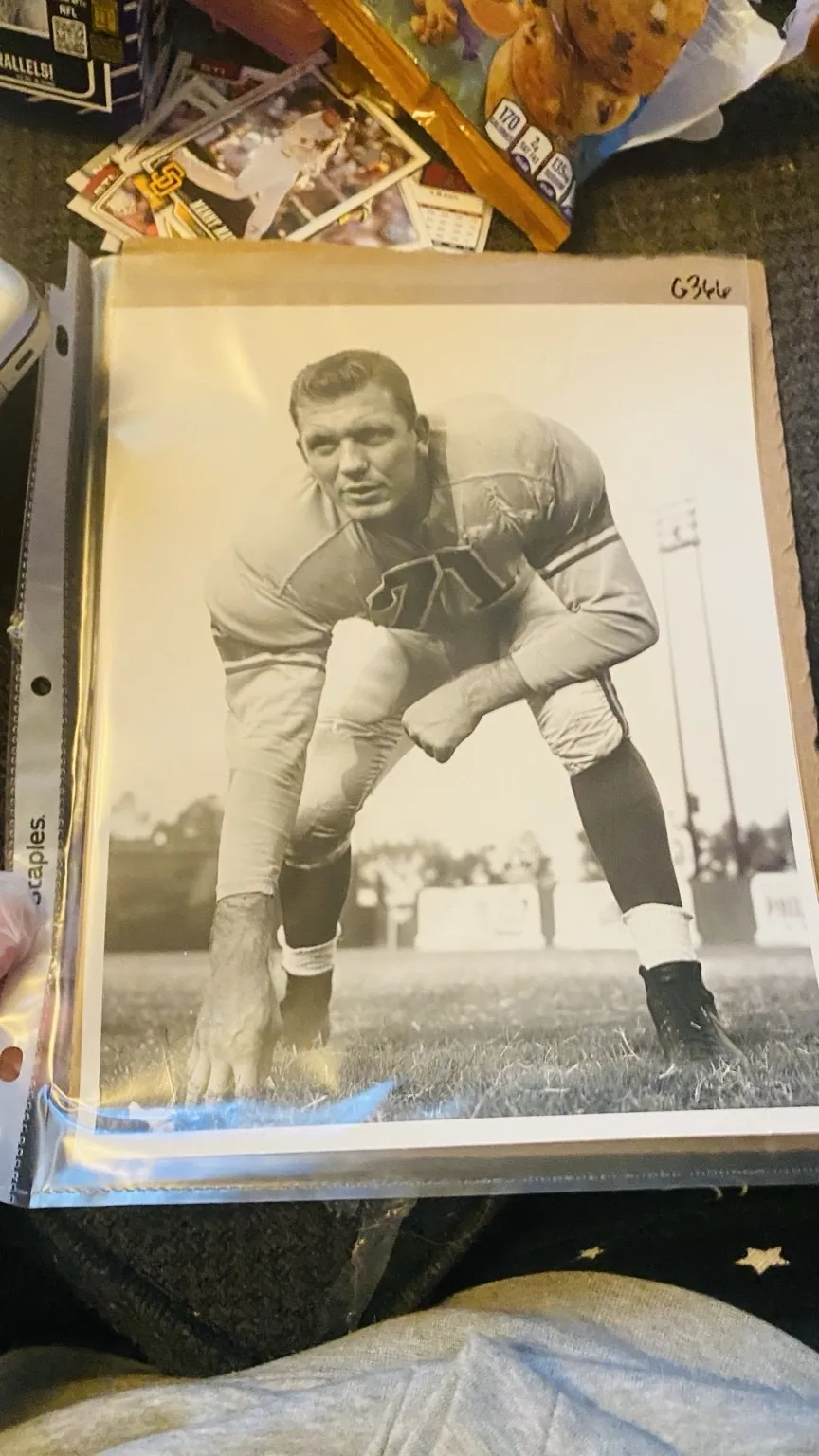
Family CollectionCollection
Owned Topps Archive 8×10 — Front
Date / Era
Modern family collection record
Object Type
Physical photograph / collectible
Identification
The item is cataloged in the family collection as a Frank Fuller Topps archive photograph.
Source / Provenance
Family-owned collection image
What This Image Proves
Documents the physical object currently preserved in the collection.
Evidence Boundary
The family photograph of the item proves current possession; auction-chain or original-production provenance requires its separate provenance record.
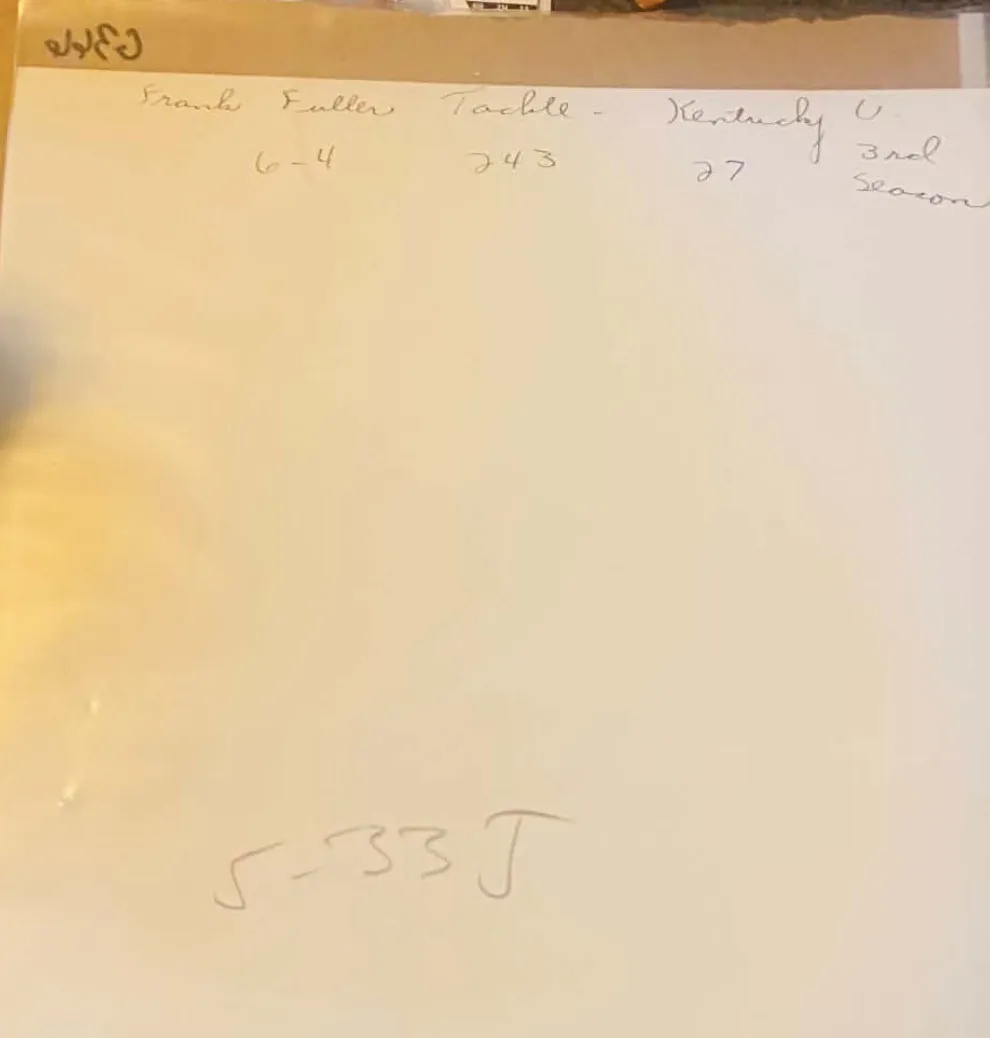
Object ReverseCollection
Owned Topps Archive 8×10 — Reverse
Date / Era
Modern family collection record
Object Type
Reverse / provenance-side photograph
Identification
Reverse view belongs to the same cataloged physical item.
Source / Provenance
Family-owned collection image
What This Image Proves
Preserves marks, backing, labels, or other reverse-side evidence for future provenance work.
Evidence Boundary
Reverse-side appearance should be recorded rather than interpreted beyond legible marks and documented provenance.
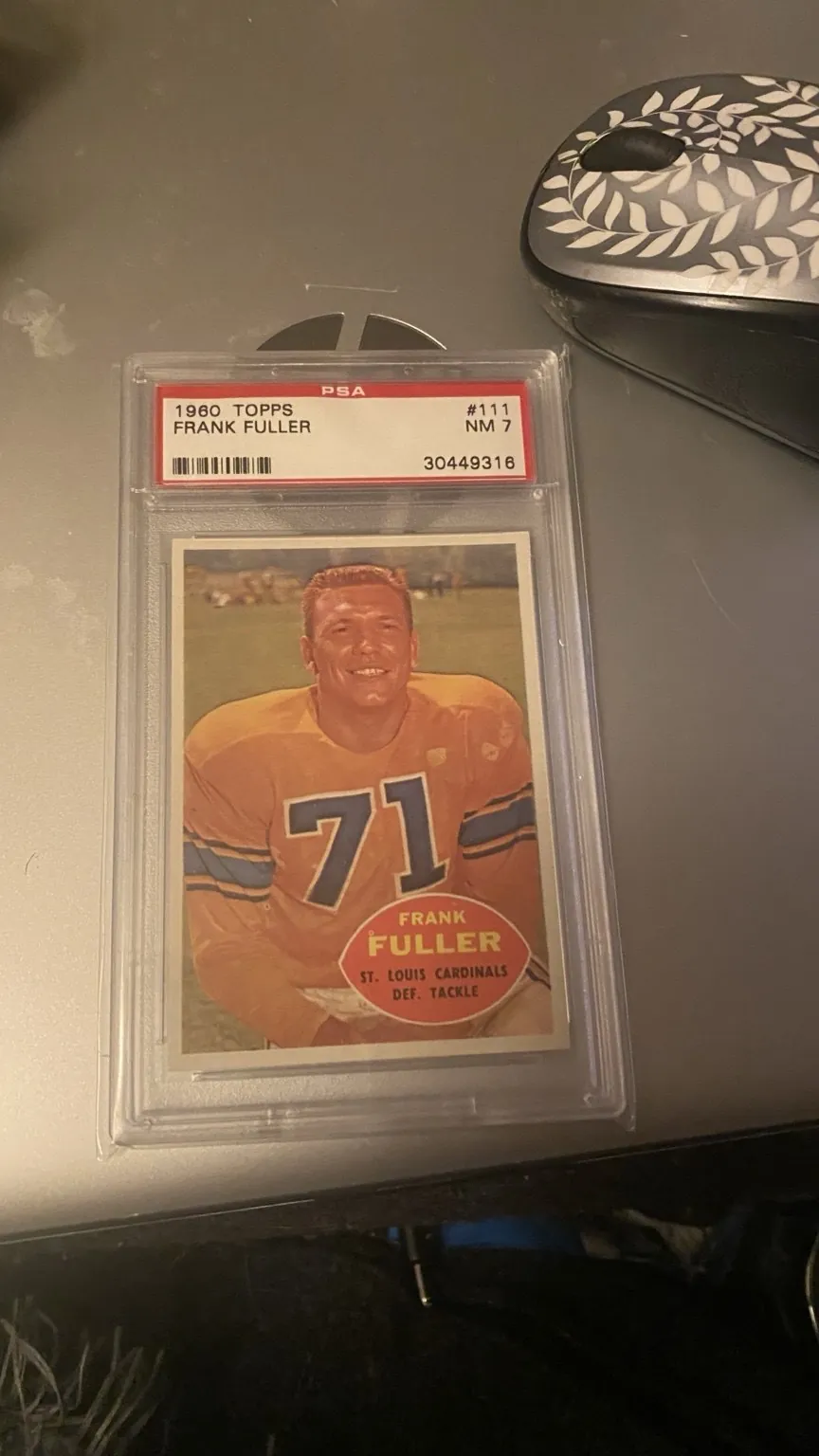
Family CollectionCollection
1960 Topps No. 111 — PSA 7
Date / Era
1960 issue / modern graded holder
Object Type
Football card
Identification
Frank Fuller is identified on the card and grading label.
Source / Provenance
Family-owned collection image
What This Image Proves
Documents a preserved Frank Fuller card in the family collection.
Evidence Boundary
Card design and grading are collectible evidence; they should not substitute for independent historical source claims.
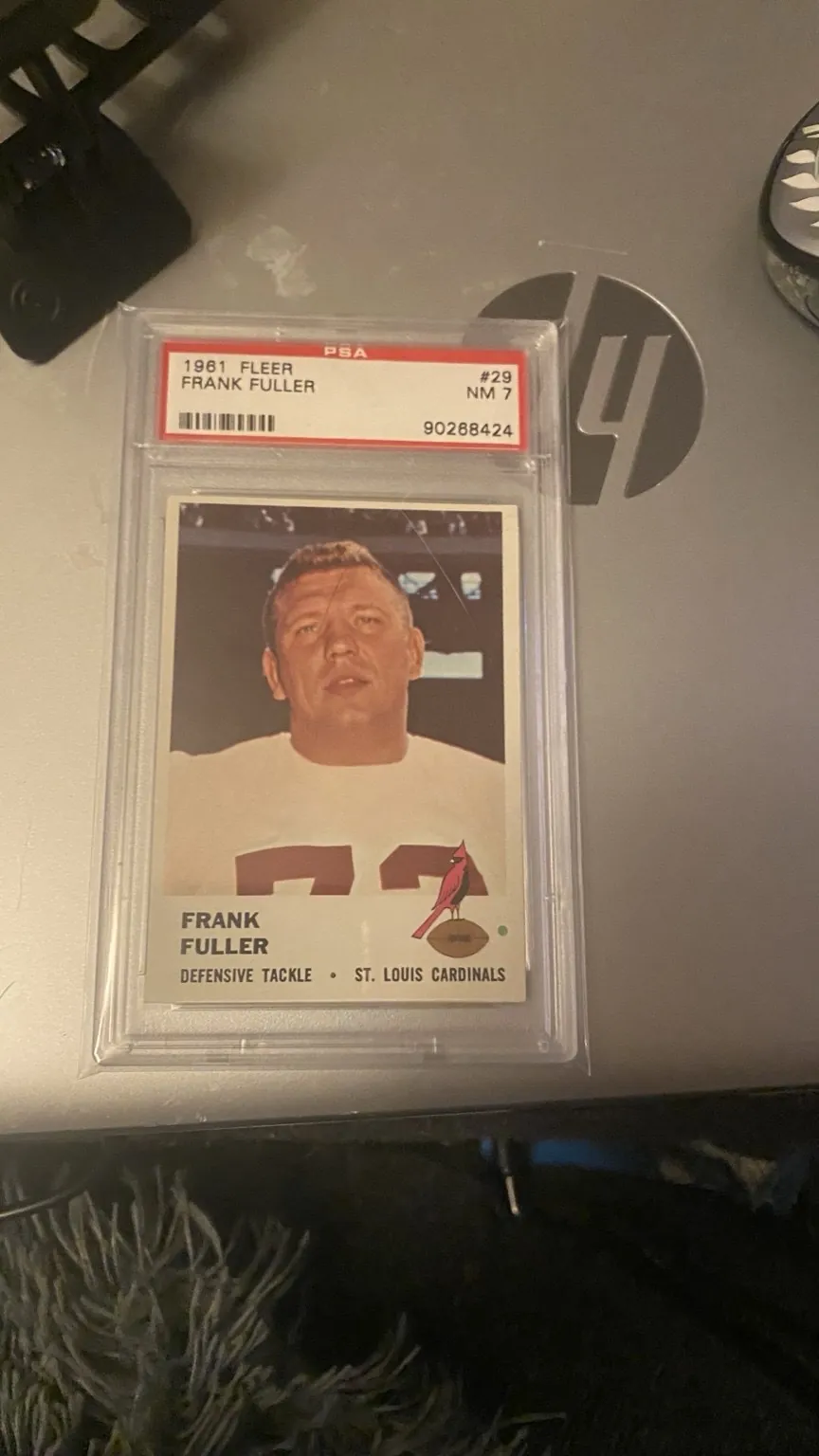
Family CollectionCollection
1961 Fleer No. 29 — PSA 7
Date / Era
1961 issue / modern graded holder
Object Type
Football card
Identification
Frank Fuller is identified on the card and grading label.
Source / Provenance
Family-owned collection image
What This Image Proves
Documents another preserved Frank Fuller collectible tied to the Cardinals period.
Evidence Boundary
The slab and card are artifacts; biographical claims remain grounded in historical records.
Evidence / Verification
Visual Evidence Rule
Absence Can Be Evidence, Too
The Kentucky archive includes a team photograph whose source explicitly says “Not pictured — Frank Fuller.” That image remains valuable team context, but it is deliberately not displayed here as a photograph of Frank. The gallery treats named absence as evidence rather than forcing an identification.
Likewise, the Mack Hughes No. 54 negatives remain undated because the original supplied identification was only “Fuller.” The gallery preserves what is known without inventing a date or pose title.